
NJ Construction Services logo
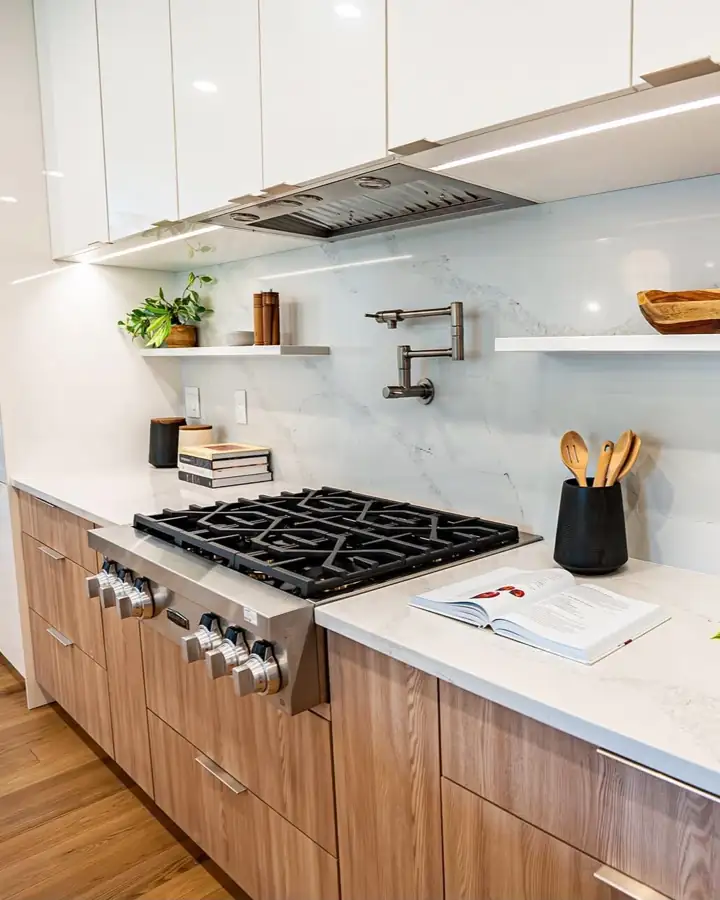
Kitchen range with wood lower cabinets, white upper cabinets, light counters, and under-cabinet lighting

Homeowner guide

Signs It Is Time to Remodel Your Kitchen

Recurring problems with movement, storage, preparation space, and worn finishes can make a kitchen worth reassessing. Look at how the room affects your routine before deciding whether a targeted update or a broader remodel makes sense.

  • Free In-Home Estimates
  • Insured
  • Google Guaranteed
  • 10+ Years of Experience
  • References Available

By NJ Construction Services, Inc.

Key Points

  • Record the problems you experience during ordinary use.
  • Separate a style preference from a condition that needs assessment.
  • Choose changes that address the room as well as its appearance.

Everyday Movement Has Become Frustrating

Repeated conflicts between cooking, cleanup, and traffic through the room are useful reasons to review the layout. Notice where people stop, turn sideways, or wait for someone else to finish a task. Record those situations during normal use so the discussion focuses on actual household needs instead of an imagined ideal kitchen.

An open plan is not the only possible answer. You may need a different preparation area, a change in storage, or clearer separation between seating and work. Bring these observations to a [kitchen remodeling conversation](/services/kitchen-remodeling-contractors/) and ask how each proposed change responds to a specific problem.

Storage No Longer Matches What You Use

Storage deserves attention when everyday items have no convenient place or clearing the counter requires moving several things first. Make a short inventory of cookware, food, dishes, and small appliances. Identify which items you use frequently and which could be stored elsewhere before deciding that the kitchen needs additional or different cabinets.

Explain how you want to reach and organize those items. A drawer, shelf, or pantry arrangement should be discussed in relation to the things it will hold. Avoid choosing storage features from photographs alone; ask how the proposed selection fits the actual room and the rest of the planned work.

Wear and Maintenance Keep Returning to Your List

Worn finishes, difficult drawers, damaged surfaces, or loose components can prompt a closer look at the room. Record what you can observe and where it occurs without assuming the cause. The appropriate response depends on the item and its condition, so a visible concern does not automatically mean the entire kitchen needs replacement.

Separate appearance preferences from problems that require assessment. Ask whether a repair, a selected replacement, or a broader scope should be considered. If you notice moisture or another unresolved condition, raise it before planning new finishes. A photograph helps explain what you see, but it cannot establish what is concealed.

Lighting and Appliances Do Not Fit Your Routine

Notice whether the areas where you prepare food, read labels, or clean dishes have the light you want at the times you use them. Also list appliances you plan to retain or replace. These observations help connect lighting and appliance discussions with the proposed arrangement instead of treating them as isolated finishing choices.

Bring product specifications for planned purchases and ask when selections need to be confirmed. Do not assume a new appliance will fit the existing opening or the future cabinet arrangement. Questions about installation requirements and the work involved belong in the project discussion before items are ordered.

Turn the Signs into a Practical Project Brief

Choose the three problems that have the greatest effect on your routine and describe the result you want for each. Then add appearance preferences and features you would like to retain. This creates a useful brief for comparing options without allowing a long wish list to obscure the changes that matter most to you.

NJ Construction Services offers [free in-home estimates](/contact/) for discussing the proposed kitchen work. Ask which observations need further assessment and what belongs in the written scope. Our guide to [remodeling versus renovation](/blog/kitchen-remodel-vs-renovation/) can help you describe whether you are considering selected updates, a changed arrangement, or both.

Free estimate

Discuss Your Kitchen

Bring your room list, photos, and questions to a free in-home estimate. NJ Construction Services can discuss the kitchen remodeling services that fit your project, explain the proposed scope, and identify items that need clarification before work is scheduled in your home.

  • Free In-Home Estimates
  • Insured
  • Google Guaranteed
  • 10+ Years of Experience
  • References Available

Prefer to talk? Call (978) 780-2533

Free in-home estimate · No obligation · Insured · Google Guaranteed.

FAQ

Common Questions About This Project

Use these answers to prepare for a project-specific conversation. The appropriate scope depends on the existing kitchen features, the intended finish, and work by other trades. Confirm included services, exclusions, responsibilities, and any changes in the written estimate rather than relying on a general description.

What signs suggest that a kitchen needs reassessment?

Recurring problems with movement, preparation space, storage, worn components, or lighting can justify reviewing the room. Record specific examples from your routine and describe the result you want. Those observations help distinguish a concern that may need a focused response from several connected problems worth discussing together.

Does an outdated appearance mean I need a full remodel?

Appearance alone does not establish the scope. Identify whether the arrangement and storage still work for your household, then describe the finishes you would like to change. A discussion about retained items and selected replacements can help you compare a focused update with a more extensive project.

How do I explain a traffic-flow problem?

Describe who uses the room, what tasks happen at the same time, and where people get in one another’s way. Photos or a simple sketch can support the explanation. Ask how the proposed arrangement addresses those examples rather than relying only on whether a drawing looks more open.

Should I add cabinets when counters feel crowded?

First identify what is on the counters and how often you use it. The issue may involve storage location, organization, appliance placement, or the amount of available storage. Bring that inventory to the discussion so proposed cabinet changes respond to the items and tasks that matter in your kitchen.

Can worn surfaces be handled without replacing everything?

A focused repair or replacement may be worth discussing, depending on the item, its condition, and the surrounding work. Identify what you want to retain and ask what needs assessment. Avoid assuming that a visible defect either requires a complete remodel or can be solved by a cosmetic change.

How should I document a condition I do not understand?

Take clear photos and note where the condition appears, when you first noticed it, and whether it changes during normal use. Describe observations without guessing at concealed causes. Ask what assessment is needed before the project includes new finishes or assumes that an existing component can remain.

What should I note about the kitchen lighting?

Describe the tasks and locations where the light does not meet your needs, including when you typically use those areas. Explain any planned changes to cabinets, counters, or seating. That information helps connect lighting choices to the room’s arrangement and the activities the project is intended to support.

Do replacement appliances automatically fit the current kitchen?

Do not assume that a replacement will fit simply because it serves the same purpose. Gather its specifications and discuss the relationship to openings, cabinets, counters, and installation requirements. Ask who verifies those details and when the selection needs to be confirmed for the proposed work.

How can I avoid turning a small concern into an oversized project?

Rank the problems by how often they affect your routine, then compare each proposed change with that list. Ask what a focused scope would address and what it would leave unresolved. Keeping essential changes separate from preferences makes it easier to evaluate the amount of work you actually want.

What is the next step after identifying these signs?

Gather your photos, priorities, and any product information, then request a project-specific conversation. NJ Construction Services offers free in-home estimates. Use the visit to explain the current room, discuss the available kitchen services, and clarify the assessment, selections, and scope needed before scheduling work at your home.

Call NowFree Estimate