
NJ Construction Services logo
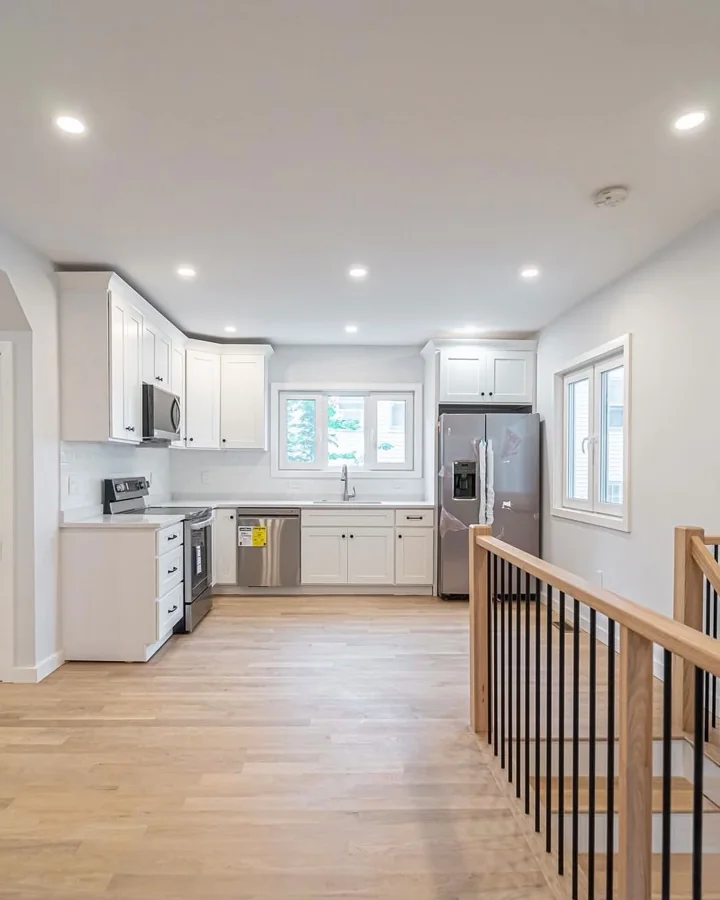
L-shaped white kitchen with stainless appliances, wood flooring, and recessed ceiling lights

Homeowner guide

Kitchen Remodel vs. Renovation: What Is the Difference?

People use remodeling and renovation in different ways. A useful comparison starts with the work: are you refreshing the existing kitchen, changing how it functions, or combining both? A clear scope matters more than the label.

  • Free In-Home Estimates
  • Insured
  • Google Guaranteed
  • 10+ Years of Experience
  • References Available

By NJ Construction Services, Inc.

Key Points

  • Describe the proposed changes instead of relying on a label.
  • Compare options against the same household priorities.
  • Clarify selections, responsibilities, and exclusions in writing.

Start with the Work, Not Just the Name

Renovation often describes refreshing or restoring an existing room, while remodeling often suggests changes to its arrangement or function. These terms overlap in everyday conversations. When discussing your kitchen, name the actual changes you want so everyone can evaluate the same work instead of assuming a shared definition of the project label.

For example, replacing selected finishes while keeping the room's arrangement creates a different discussion from relocating an island and reorganizing appliance positions. Neither description is complete until the included tasks are identified. Use the [kitchen remodeling service](/services/kitchen-remodeling-contractors/) as a starting point for questions about the available work.

Refreshing a Kitchen That Already Works

A focused refresh may suit a room whose arrangement already supports your household. Identify the surfaces or features you want to change and the parts you intend to keep. That distinction helps the estimate address how new selections relate to existing cabinets, counters, appliances, and surrounding finishes without assuming a full replacement.

Do not assume a smaller visible change is automatically simple. Ask what removal, preparation, protection, and installation are included for each item. If a retained surface or fixture affects the proposed work, clarify that relationship before ordering products. A written list of retained and replaced items makes the conversation easier to follow.

Changing the Way the Kitchen Functions

A broader project is worth discussing when the existing arrangement repeatedly gets in the way of cooking, cleanup, storage, or movement. Describe those conflicts with specific examples from your routine. Then compare proposed changes against the problems you identified, rather than selecting a more extensive scope only because it sounds more complete.

Moving a feature can affect several other decisions. Ask how the proposed layout relates to appliance specifications, cabinets, counters, lighting, and plumbing updates. Any assessment or approval questions should be identified for the actual project. A drawing helps explain the arrangement, but the written scope must also explain the work.

Comparing Materials and Project Responsibilities

Compare options using the same priorities, including care, appearance, storage, and how you expect to use the room. Review product information for the specific selections under consideration. A material name or finish photograph cannot tell you everything about maintenance, compatibility, installation requirements, or what will be included in your particular project.

Ask who selects and supplies each item, who verifies specifications, and what happens if a selection changes. Review responsibility for protection, removal, installation, and cleanup. Those details make two proposals easier to compare than their labels alone. Any uncertainty should remain visible in the discussion until it is resolved.

Choosing a Scope Your Household Can Support

The appropriate scope balances the improvements you want with the practical demands of having work done at home. Explain your priorities, household routines, and any timing constraints during the estimate. Ask about access, temporary arrangements, decisions needed from you, and the proposed sequence before agreeing to move forward with the project.

NJ Construction Services can discuss kitchen layouts, cabinets and counters, islands, backsplash tile, lighting, and plumbing updates. Bring questions about what to retain and what to change to a [free in-home estimate](/contact/). If your main uncertainty is whether the current room needs broader changes, read the [signs to consider](/blog/signs-it-is-time-to-remodel-your-kitchen/).

Free estimate

Discuss Your Kitchen

Bring your room list, photos, and questions to a free in-home estimate. NJ Construction Services can discuss the kitchen remodeling services that fit your project, explain the proposed scope, and identify items that need clarification before work is scheduled in your home.

  • Free In-Home Estimates
  • Insured
  • Google Guaranteed
  • 10+ Years of Experience
  • References Available

Prefer to talk? Call (978) 780-2533

Free in-home estimate · No obligation · Insured · Google Guaranteed.

FAQ

Common Questions About This Project

Use these answers to prepare for a project-specific conversation. The appropriate scope depends on the existing kitchen features, the intended finish, and work by other trades. Confirm included services, exclusions, responsibilities, and any changes in the written estimate rather than relying on a general description.

Are remodeling and renovation always different?

People do not use the terms consistently. Renovation often suggests refreshing an existing room, while remodeling often suggests changing its function or arrangement. Treat that distinction as a conversation starter and then list the actual work. The scope should explain the project more precisely than either label can.

Can one project include both approaches?

Yes. You might retain part of the existing arrangement while replacing selected features and changing others. Explain the combination you want during the estimate. Ask the team to distinguish retained items, replacements, and layout changes so the agreement reflects the actual project rather than a broad category.

When might a focused refresh be enough?

A focused refresh may be worth discussing when the kitchen works for your routine and your concerns center on particular surfaces or features. Identify what you want to keep as well as what you want to replace. The condition and compatibility of those items still need to be considered.

When should I discuss a layout change?

Discuss the layout when movement, preparation, cleanup, or storage repeatedly conflicts with how your household uses the room. Bring concrete examples, such as a blocked route or competing tasks in one area. Those examples help explain the problem that a proposed layout change is intended to address.

Does the project label determine approval requirements?

Do not rely on a label to settle approval questions. Describe the proposed work and ask who will identify applicable requirements for your location and scope. Confirm responsibilities during planning, particularly when the discussion includes changes beyond finishes, and keep unresolved questions visible until they have been addressed.

How can I compare two different proposals?

Compare the included tasks, retained items, product selections, exclusions, responsibilities, and proposed sequence. Ask each team to clarify unclear descriptions. Two proposals with the same heading may cover different work, while differently named projects may contain similar tasks. A shared list of priorities makes the comparison more useful.

Should I select appliances before finalizing the plan?

Bring the specifications for appliances you intend to retain or purchase into the planning conversation. Ask when selections must be confirmed and who checks their relationship to cabinets, counters, and the proposed arrangement. Avoid treating appliance choices as separate from the rest of the kitchen project.

How do materials affect the decision?

Material choices influence appearance, care, and the details that need to be coordinated during installation. Review samples and manufacturer information for specific products. Your household habits matter too: explain how you cook and clean so the conversation addresses practical use alongside the visual result you would like.

Will a larger project necessarily be better?

A larger scope is useful only when its changes address your priorities. Compare each proposed feature with the problems you want to solve and the disruption you can accommodate. Ask whether a smaller combination of changes would meet the same needs before assuming that more work creates a better fit.

What information helps NJ Construction Services discuss options?

Share your location, photos of the kitchen, the features you want to retain, and a short list of desired changes. Explain which problems affect your routine most often. NJ Construction Services offers free in-home estimates where you can discuss the scope and ask how the available services relate to your plans.

Call NowFree Estimate